


The Magic Behind Reverse Swing
Have you ever watched a fast bowler send down a delivery that seems to defy physics, curving in the air at the last moment to leave the batter utterly bamboozled? That’s reverse swing—one of cricket’s most mysterious and lethal weapons.
From legends like Wasim Akram and Waqar Younis to modern-day maestros like James Anderson and Pat Cummins, reverse swing has defined some of cricket’s most dramatic moments. But how does it work?
In this article, we’ll break down the science behind reverse swing, the conditions that make it possible, and why only the best fast bowlers can master this art.
What is reverse swing?
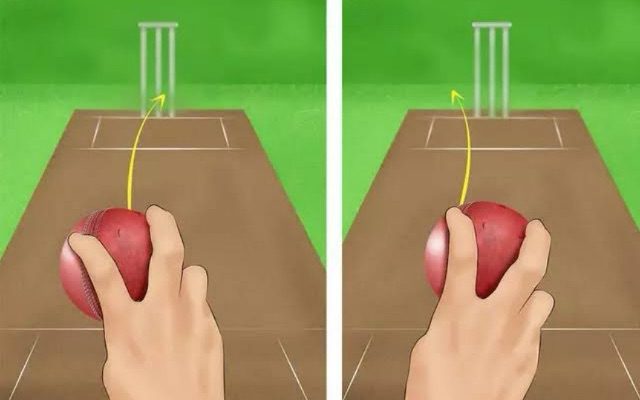
Reverse swing occurs when the ball moves in the opposite direction of conventional swing, usually at high speeds (above 85 mph or 135 km/h).
Conventional Swing (Normal Ball Movement)
- At lower speeds, the ball swings in the direction of the shiny side.
- A bowler can control the movement using seam positioning and wrist action.
Reverse Swing (The Unexpected Movement)
- At higher speeds, airflow behaves differently.
- The ball starts swinging toward the rougher side, not the shiny side.
- This late movement confuses batters, often leading to bowled dismissals or LBWs.
Personal Insight: I’ve always been fascinated by how reverse swing can make even the best batters look clueless. It’s like the ball has a mind of its own!
The Science Behind Reverse Swing
The key to reverse swing lies in aerodynamics—the way air flows around the ball.
The Role of Ball Condition
A cricket ball has two sides:
- ✅ One shiny side (polished by players).
- ✅ One rough side (naturally deteriorating due to wear and tear).
At high speeds, the airflow separates differently around the ball:
- On the shiny side, air flows smoothly, reducing resistance.
- On the rough side, air gets disrupted, creating a force that pulls the ball in the opposite direction.
Personal Insight: It’s amazing how something as simple as a rough patch on the ball can create such a dramatic effect.
Why Speed Matters
Reverse swing occurs only when the ball travels above 85 mph (135 km/h) because:
- At lower speeds, the airflow stays attached to the ball, causing a normal swing.
- At higher speeds, the turbulent air separates earlier, leading to a reverse swing.
Personal Insight: This is why bowlers like Mitchell Starc and Jasprit Bumrah are so dangerous—they combine extreme pace with reverse swing to devastating effect.
Conditions That Help Reverse Swing
Not every cricket match allows reverse swing. Certain conditions make it easier for bowlers to extract this movement.
Dry and Abrasive Pitches
- Dry, cracked pitches roughen up the ball quicker, making reverse swing possible earlier in the game.
- Subcontinental conditions (India, Pakistan, UAE) favor reverse swing more than green, lush outfields.
Rough Outfields
- Fast outfields with dry grass accelerate ball deterioration.
- Bowlers often intentionally land the ball on the rough side while fielding to speed up wear and tear.
Hot and Humid Weather
- Hot conditions dry out the ball, making one side rougher faster.
- Reverse swing is rarer in cold, wet conditions (like in England), where the ball remains fresh for longer.
Personal Insight: I’ve noticed that reverse swing is almost like a hidden weapon in the subcontinent. It’s no wonder bowlers like Wasim Akram thrived in these conditions.
How Fast Bowlers Master Reverse Swing
Not every pacer can master reverse swing—it requires exceptional skill, control, and experience. Here’s how the best in the game do it:
Wrist Position & Seam Control
- The bowler must keep the seam straight while bowling at high speeds.
- Any small deviation in wrist angle can ruin the reverse swing effect.
Ball Maintenance & Tactics
- Teams ensure one side of the ball remains smooth and polished while the other is roughened up naturally.
- Fielders often shine one side using sweat and saliva (though saliva is now banned).
Late Release & Deception
- Great reverse swing bowlers release the ball as late as possible, tricking the batter into misjudging the movement.
- Wasim Akram, for example, used late wrist adjustments to swing the ball both ways at will.
Personal Insight: Watching Dale Steyn bowl reverse swing at 150 km/h was a thing of beauty. It’s like he had a remote control for the ball!
Legendary Reverse Swing Bowlers
Reverse swing has shaped cricket’s greatest moments. Here are some masters of this art:
- 🔥 Wasim Akram & Waqar Younis (Pakistan): The pioneers of reverse swing in the 1990s.
- 🔥 Dale Steyn (South Africa): He used extreme pace and precision to swing the ball late.
- 🔥 James Anderson (England) is a master of late swing, especially with the Duke ball.
- 🔥 Mitchell Starc & Pat Cummins (Australia): Starc’s lethal reverse-swinging yorkers are a nightmare in limited-overs cricket.
Personal Insight: These bowlers didn’t just bowl—they orchestrated the ball’s movement, making it dance to their tune.
The Future of Reverse Swing in Cricket
Reverse swing remains one of the most effective weapons for fast bowlers, but its use is evolving.
- ✅ The Impact of Saliva Ban: With saliva banned post-COVID, teams struggle to maintain ball shine, making reverse swing harder to achieve.
- ✅ More Flat Pitches = More Reverse Swing: Modern pitches are becoming batter-friendly, increasing the need for bowlers to master reverse swing.
- ✅ T20 Cricket’s Impact: With more limited-overs matches, reverse swing specialists are adapting their skills for death overs and yorkers.
Personal Insight: I think the next generation of fast bowlers will find new ways to exploit reverse swing, even with the challenges posed by modern cricket.
FAQs
- Can medium pacers use reverse swing?
It’s much harder. Reverse swing needs pace (135+ km/h), so it’s rare among medium pacers. - Why is reverse swing so dangerous for batters?
The late, unpredictable movement makes it almost impossible to adjust in time, leading to bowled dismissals and LBWs. - Can spinners reverse swing the ball?
No, but spinners can use the same worn-out ball to generate drift and dip.
Final Thoughts
Reverse swing is more than just a bowling technique—it’s a masterclass in physics, skill, and strategy. From the dusty pitches of the subcontinent to the high-pressure moments of a World Cup final, reverse swing has left an indelible mark on cricket.
As the game evolves, so will the art of reverse swing. Who knows? The next Wasim Akram or Dale Steyn might already be honing their skills, ready to unleash this magical weapon on the world stage.
